Contact ME

Use the form on the right to contact me. Better yet, contact me here and receive a free gift. Looking forward to connecting with you! 

Thanks, 
Hannah Green MFT

1195 Valencia St
San Francisco, CA, 94110
United States

415-238-1915

Holistic psychotherapy in San Francisco for individuals and couples.

families.jpg

Blog


Matrixial Moments

Hannah Green
Dear Community,

Happy Autumn! I am enjoying warm apple cider and cool sunny weather here in Cornwall. I am also looking forward to spending some of the upcoming winter in California and hope to connect with some of you there. I am envisioning a day long workshop to welcome the new year. I will keep you posted.

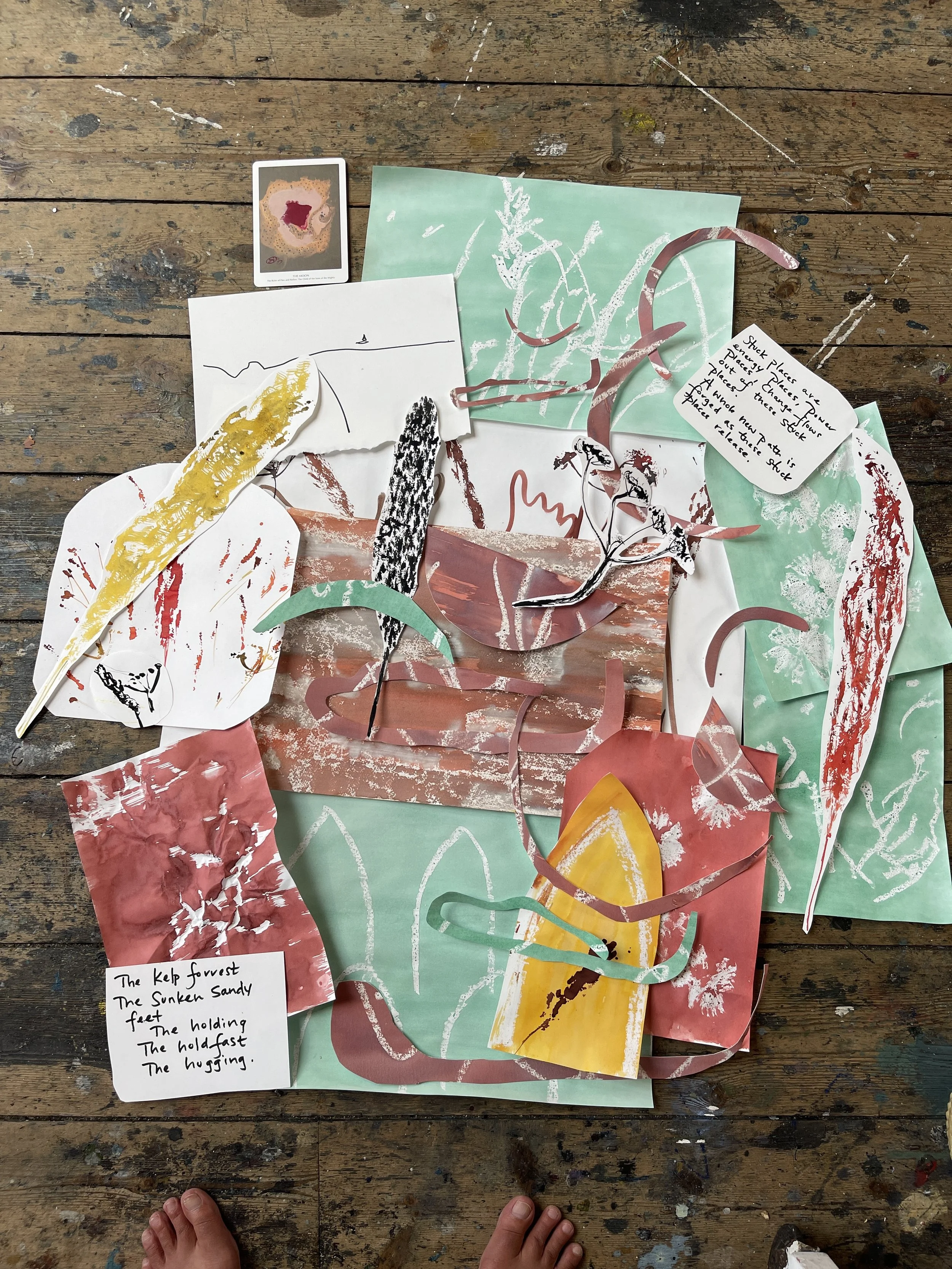
Some of you know that I am in love with imagery. An image can hold our conflicting desires and our deepest wishes, pains, and fears all at once, as if by magic. An image is a sanctuary where seemingly opposite ideas can coexist, and an experience of wholeness is possible for a beautiful, precious moment. An image is a kind of metaphor, and the metaphor is always safe because it can hold us in all our complexity.

In April I took a wonderful class with Kate Southworth and Greg Humphries called Magical Landscapes. We explored surrealism as a bridge between psychoanalysis and magic. In psychoanalysis, we explore the conscious and the unconscious world and the relationship between the two. In magic, the focus is on the relationship between “this world” and the “other world.” Seasonally, this liminal place is what Autumn is all about.

Surrealism and artists like Ithell Colquhoun bridge this seeming gap between psychoanalysis and magic. They give us an experience of their subjective inner world meeting the external, so-called outer world. The result is an image that holds what it is like to be human, where what we see is actually what we feel inside. I believe that psychotherapy, like surrealism, is all about bringing the inner and outer worlds together. I have a theory that this axis between the worlds of the inner and outer is not only where healing occurs but is also where home is. No matter where I am in the world, if I can center myself in this place where the inner experience and the world around me meet, I feel at home within myself.

When we make or see a painting, a sculpture, or a landscape and we are able to bridge the inner and outer world for a moment by beholding the world at the same time as beholding ourselves—connecting with our thoughts, emotions, and sensations—we have what Bracha Ettinger called a matrixial moment. The matrixial gaze, which gives birth to the matrixial moment, was developed by artist and psychoanalyst Bracha Ettinger and I love her way of thinking about making and looking at art that focuses on healing and connection. Kate Southworth introduced me to her theories during the course.

Instead of the usual perspective where the viewer is in control and the artwork is a passive object to be analyzed, the matrixial gaze acknowledges that both the person looking and the artwork affect each other in a shared encounter. This shared encounter relies on compassion and is based on intersubjectivity. This perspective is deeply valuable for art-making and art therapy because it creates a safe in-between space where painful or traumatic experiences can be explored without causing more harm—the artwork acts as a bridge that allows us to connect with difficult feelings and memories in doses we can handle and integrate.

For those of us dealing with trauma, grief, or experiences of being marginalized, the matrixial framework recognizes that making art is relational and that meaning emerges through connection. In therapy, the matrixial gaze allows us to look at our own or others’ artwork with openness and vulnerability and create these emotional connections. We don’t take over someone else’s story through too much interpretation or sit back, remaining distant or removed. Ettinger’s theory articulates what I have experienced, that art is a special place where healing happens—not through control or analysis, but through the caring, shared experience that flows between people across the flexible boundaries between self and other, through the inner and outer worlds.

I treasure these moments in life and with clients. I find the bridges we build through art transformational for both my clients and me. Working this way can help us envision new futures, heal old wounds, and find parts of ourselves that feel lost.

I find in my own art making and in my work with clients that imagery and the matrixial perspective invite healing by intertwining inner experience with the outer world, creating a safe space where wholeness can emerge. It's my kind of magic.

If you’re curious to explore this, I’d love to connect. New clients are warmly welcomed. If you’d like to schedule a first session or learn more about working together, please reply to this email or use the link below to book a session.

Warmly, 
Hannah Green MFT
Interdependence

Hannah Green


Dear community,  
  
I hope your summer is going well!

In my own life and work with clients, I see how many of us are drawn toward a deeper understanding of relationship—one that empowers us to go beyond dependence and embrace interdependence as a vital, developmental goal. I am on this path, continually learning to cultivate genuine connection while remaining a whole person—connected to myself and rooted in love. It’s challenging! I’m grateful to be with others doing this same work—watching us all build relationships that nourish, evolve, and help us grow.  
  
Simone de Beauvoir teaches us that true connection requires respect for the other's independence—a love rooted in freedom, mutual recognition, and shared growth. I am inspired by her example and her long relationship with Jean-Paul Sartre, which seemed to embody these principles. They maintained their own homes and identities, choosing to live separately yet remaining deeply connected. Despite its challenges, their relationship defied convention and embraced freedom, illustrating that authentic love can be based on independence rather than possession or dependence.  
  
Living in the wild beauty of Cornwall has deepened my interest in deep ecology. Founded by philosopher Arne Naess in the 1970s, deep ecology encourages a fundamental shift in how we relate to nature—moving away from a human-centered view and toward recognizing the intrinsic worth of all living beings. It promotes sustainability, respect for biodiversity, and a moral responsibility to protect the natural world, viewing humans as an integral part of the Earth's ecosystems rather than separate from or above them. It calls me to see myself as part of a vast, interconnected web of life, where our well-being depends on recognizing the mutual reliance between humans and the ecosystems around us.  
  
Both de Beauvoir’s ideas and deep ecology highlight the importance of fostering interdependence—an understanding that true connection and growth come from respecting each other's autonomy and recognizing our place within a larger web of life. In my work with clients, I see how embracing this ideal—where love and relationships are practices of mutual growth—can transform bonds, creating relationships rooted in respect, authenticity, and shared evolution. We don’t have to live separately like Simone and Jean-Paul to honor independence, but we can learn to take space and enjoy our own lives while nurturing deep, lasting connection.  
  
These principles aren’t just theories—they’re deeply personal. They challenge me to live with greater awareness, humility, and compassion. They remind me that love, community, and ecological health all require a shift from dependence—often driven by fear or unmet needs—to interdependence rooted in trust, respect, and shared purpose. It’s a lifelong journey of learning to stand firmly in my own truth while remaining open to the web of connection that sustains us all.  
  
The Developmental Shift: Moving from Dependence to Interdependence...  
  
In my work and personal reflection, I see how dependence—especially when rooted in early wounds or unmet needs—can lead to emotional dysregulation and a fragile nervous system. I’ve observed both clients and myself caught in cycles of trying to fix, control, or overly rely on others—what we call codependence. It hurts and can stunt our development.  
  
My goal is to help clients develop interdependence. It’s about cultivating self-regulation and self-compassion as guiding principles. From a Jungian perspective, individuation—the process of becoming your authentic self—involves differentiation: creating a healthy separation from external influences while maintaining meaningful connections. This is how we grow into balanced, whole beings.  
  
After experiencing significant losses and separations, my partner and I are navigating the delicate art of creating a web of interdependence that crosses oceans and challenges old ideas. With both my current partner and my first partner, I am exploring a new way of relating—one that honors our independence while remaining connected. I am learning so much about the fluidity of connection, self-care, and openness to change.  
  
My partner's three children challenge and inspire me daily to develop patience, presence, and authenticity. I’m reminded that relationship is a continuous act of giving and receiving, of creating space for being an individual while belonging to a community. They encourage me to balance my desire for control with gentle acceptance of life’s unpredictability.  
  
In midlife, I see that emotional, psychological, and spiritual dependence no longer serve my growth. Dependence feels chaotic and can disrupt my nervous system, diminishing my capacity for self-regulation and compassion. I am learning that true resilience comes from differentiation—standing apart while remaining connected, honoring my unique self, and nurturing compassion for myself and others.  
  
An Invitation... 
  
If this resonates with you—that longing for authentic connection and the desire to nurture a balanced relationship with yourself and others—I invite you to explore therapy as a way to deepen these themes. Whether you’re seeking individual support to cultivate self-awareness and emotional resilience or couples therapy to build relationships rooted in growth and mutual respect, I am here to walk with you.  
  
Together, we can create a safe, supportive space to examine patterns, heal wounds, and develop the skills necessary for relationships that nourish, evolve, and are grounded in genuine interdependence. It’s a chance for you to nurture your capacity for self-regulation, embrace your uniqueness, and foster connections that uplift and sustain you.  
  
If you’re ready to take that step—toward greater self-love, healthier relationships, and a more balanced life—I encourage you to click the link below to book your first appointment. Please keep in mind that I often have a waiting list, so if you don’t see an available time that works for you, reply to this email letting me know whether you're seeking individual or couples therapy. My hope is that everyone who wants support will find a place with me, or I’ll be happy to refer you to a trusted colleague.  
  
I look forward to supporting you on your journey of growth and connection.  
  
Love,  
Hannah Green, MFT  
  
P.S. If these ideas inspire you, I invite you to explore these books and authors to deepen your understanding of interdependence, authentic love, and ecological consciousness:  

The Second Sex by Simone de Beauvoir  
Deep Ecology: Living as if Nature Mattered by Bill Devall and George Sessions 
The Ecology of Wisdom by Arne Naess  

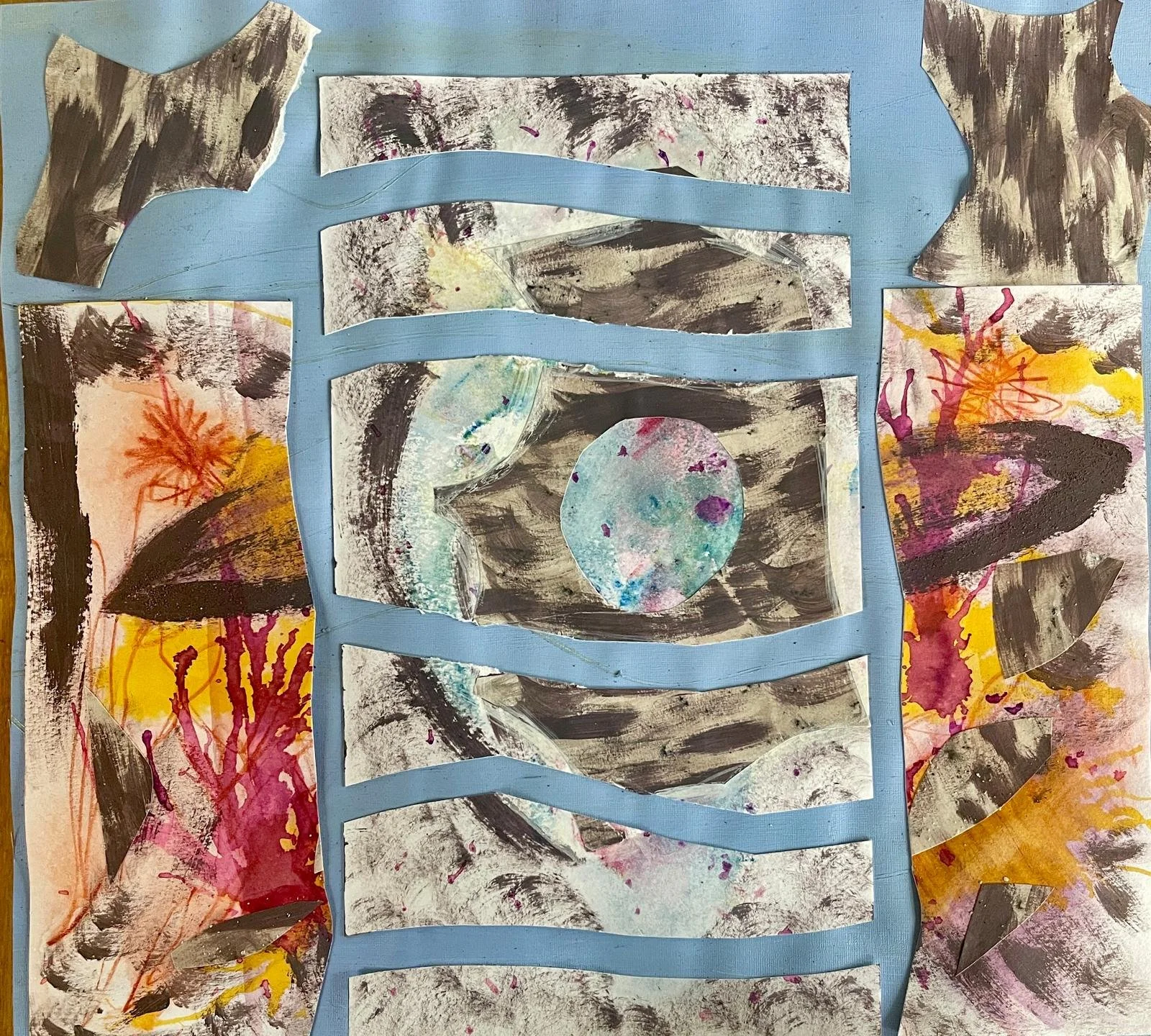
Art in progress

Couples Therapy

Hannah Green

BOOK YOUR COUPLES SESSION

Working with couples to deepen their connection and create the relationship they deeply desire is a bright spot in my life. I love being a couples therapist. Many couples have told me “If we had known how much this could help we would have started therapy sooner,” and I often hear, “everyone should do this!” I receive many referrals from couples who have had a such a positive experience that they want to recommend others.

Couples who come to see me want a safe place to explore their relationship, deal with conflict and connect in a deep way. I am committed to co-creating a space with you where it is safe to be vulnerable.

I am trained in the psychobiological approach to couples therapy. This approach is extremely effective because the methods are based on how the brain, the nervous system and human attachment really work. I work with couples who may be very smart and successful, but struggle to deal with conflict and difficult feelings. I want couples therapy to empower you to create a home where all of you is welcome and a relationship that is a safe haven.

I coach couples to:

  • Ride waves of emotion together and learn how to share their feelings without shutting down or escalating conflict. 

  • Identify and dissolve blockages to intimacy, opening up to more closeness physically and emotionally. 

  • Deal with conflict directly and effectively eliminating resentment and “emotional hangovers.”

  • Heal old resentments once and for all.

  • Become experts at meeting each other’s needs.

  • Turn challenges into opportunities for connection.

  • Celebrate each other’s differences and grow as individuals.

  • Feel more joy in their relationship. 

I may be the right couple’s therapist for you if you are:

  • Feeling disconnected, unappreciated, or like there’s stuff your partner just “does’t get.”

  • Worrying about your needs and personalities being too different.

  • Feeling frustrated with the same old resentments coming up and rehashing the past.

  • Have a history of anxiety, depression, addiction or family trauma and need some help navigating these issues together.

  • Struggling to talk about touchy subjects without fighting.

  • Longing for more romantic or sexual spark.

  • Falling into shaming and blaming.

  • Feeling like your needs aren’t being met or that your partner’s needs are overwhelming.

  • Judging your partner as being checked out or unengaged.

  • Judging your partner as critical, needy or impossible to please.

  • Having fights that escalate and/or last too long.

  • Finding it hard to prioritize your relationship.

  • Struggling to feel like you are on the same team.

  • Want to make a good/great relationship even better.

My practice is inclusive of all sexual orientations, spiritual or religious practices, races, genders and cultures. 

I know from personal and professional experience that couples therapy has the power to change relationships and change lives. 

READ WHAT COUPLES WHO HAVE WORKED WITH ME SAY

MORE DETAILS

My fee for couples therapy is 275/session. You can read my FAQ page and my BOOK NOW page for more details and answers to may questions. Feel free to get in touch with questions. Booking a first session together is easy through the online portal and is the way to get started. I don't do phone consultations prior to our first session. We can meet and see if both you and your partner feel comfortable with me and want to proceed. I love being a couples therapist and I hope I can support you in deepening your connection and creating the relationship you deeply desire. I look forward to connecting!

I often have a waitlist. If there are no available appointments you can join the waitlist by getting in touch and filling out this form for COUPLES.

GET REALTIONSHIP SUPPORT

The spring of love arrives 

to transform the dust into a garden.


The call is heard from the heavens

To bid the wings of soul to fly


The sea becomes filled with pearls.

The dry land received the water of life.

The stone becomes a ruby,

And the body becomes all soul. 

Rumi

If you would like to recieve HEARTSNACKS my at least monthly newsletter, you can subscribe HERE.

SHARE WITH FRIENDS OR FAMILY

Phone: 415 238-1915

Website: hannahgreentherapy
 

The Gifts of Sensitivity

Hannah Green

Dear Community,

Happy New Year! I am off to a rather slow start. I am still emerging from a long first bout with covid. The last of my symptoms are hanging on after about six weeks. This has been an emotionally cathartic experience. I have made the most of the veil being thin by allowing all kinds of feelings to come up, be felt and released. I am grateful now for a new perspective and to have my energy mostly back. Sending a warm hug and wishes for good health to any of you dealing with illness, I know there are so many of us right now. 

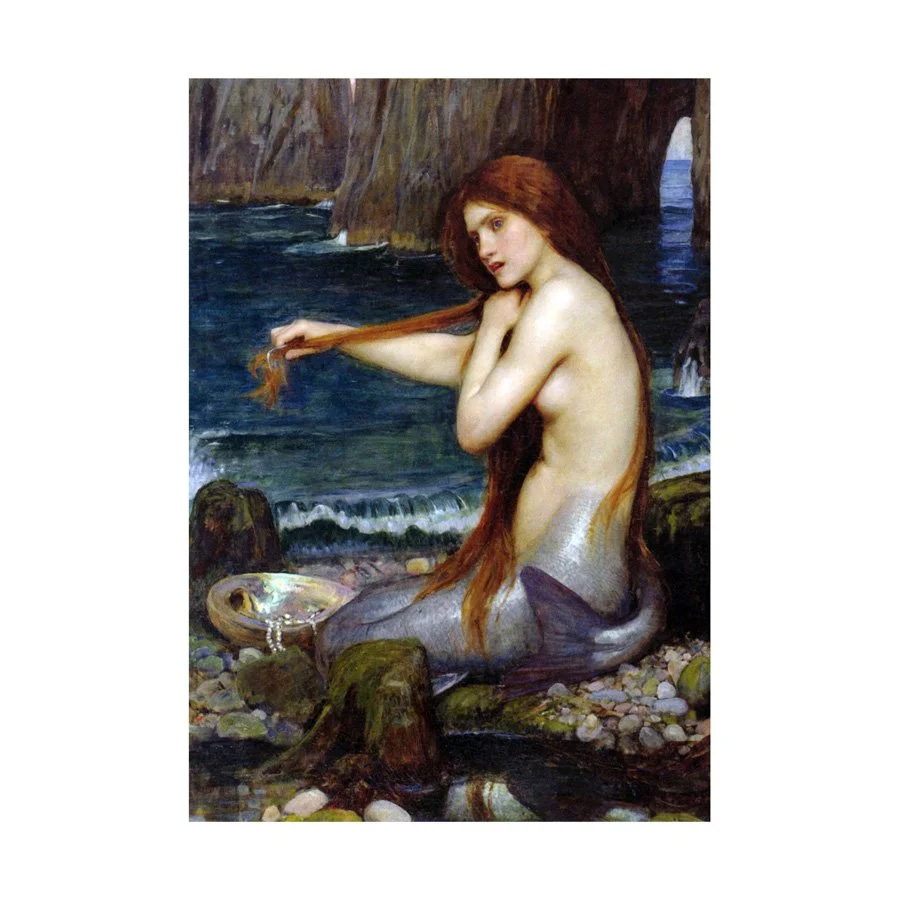
I am a sensitive person. I bet if you are reading this, you are too. The truth about my sensitivity and sensitivity on the whole is constantly dawning on me. For a sensitive person, living is similar to swimming. We need sea legs. We need to constantly move with waves of feeling that pull us, move us, lift us up and pull us down. Perhaps this is why the little mermaid has captivated me so completely since I was a little girl. I have had the John William Waterhouse painting of a mermaid on my wall for as long as I can remember. She tries to live on the surface and ultimately must return to the feminine depths which are her birthright. She is at home in these watery depths and she is constantly moving in harmony with it's waters.


In Jungian terms sensitivity refers to the "intuitive function." Jung said the building blocks of our personalities lay in four functions: thinking, feeling, sensing and intuiting. We are a spectral combination of these elements, manifesting as strengths and liabilities accordingly. Jung defined intuition as "perception via the unconscious."

Sensitivity or the intuitive function is the ability to tune into subtleties and be deeply perceptive. We tune into and perceive cues from other, both positive and negative. We receive intuitive information from nature, objects, images and environments. Studies have also linked sensitivity to a rich inner life, a greater than average cognitive depth of processing and increased physical sensitivity. I believe this refers to a kind of thoroughness of processing sensitive people seem to engage in and indeed often require. We need time to digest, feel and think it through. In our culture, this can be difficult, It can make us feel out of sync with the mainstream. Jung puts it in the following way:

"A sensitive and somewhat unbalanced person, as a neurotic always is, will meet with special difficulties and perhaps with more unusual tasks in life than a normal individual, who as a rule has only to follow the well-worn path of an ordinary existence. For the neurotic there is no established way of life, because his aims and tasks are apt to be of a highly individual character. He tries to go the more or less uncontrolled and half conscious way of normal people, not realizing that his own critical and very different nature demands of him more effort than the normal person is required to exert." (Jung 1916, para. 572)

It takes time, great willingness, faith and effort to accept and expand into our sensitivity. One of the practices I am constantly deepening into is the art of self awareness. This has amplified over the last 20 years. To name a few practices that have focussed on tracking sensory experience and expanding awareness...Vipassana retreats in my 20's, working with Somatic Experiencing, Gestalt training in the awareness continuum, active imagination, and finally bringing all of this together in learning to track and release emotions as a spiritual practice. This practice of connecting to emotions as sensations in the body and with images in the psyche positions us to receive direct information from the unconscious. This connection expands our intuitive and perceptive abilities and I believe sensitive people have increased capacity for this.

These abilities also link to increased experience of what Jung called the numinous. A central tenant of Jungian psychology is that the numinous heals, a fact that shamans and healers have known through the ages. The word numinous is an invented word, coined in 1917 by a German professor of theology, Rudolf Otto, in his book Das Heilige (translated in 1923 as The Idea of the Holy). He wanted an adjective that described objects or experiences that are "holy" without the common associations with morality and "goodness" that holy usually conjures. This is important because as Jung described, encounters with the numinous can contain a big mixture of emotions, both positive and negative. A numinous experience is one that goes beyond our rational mind and brings us into relationship with something far greater than ourselves. It catapults us beyond our previous state of consciousness. Therefor a numinous experience can be experienced as sublime, expansive, joyful, blissful but also humbling, scary, disorienting or bewildering.

These numinous experiences often transform and heal us. So in therapy we look for and find the numinous in dreams, in waking visions and “active imagination,” in the numinous quality of our client/therapist relationships and relationships in general, in spontaneous artistic inspirations, and in synchronistic events, which become unusually common when we open to our sensitivity. Through depth work that embraces numinous experience we link the personal to the universal, which gives life meaning and is healing in and of itself. It is no wonder that sensitive people or people who identify as highly sensitive tend to do well in depth or Jungian oriented therapy.  

For me it is important to recognize my strengths as a sensitive person for several reasons. One is that I want to be of service, and to develop my particular gifts I must recognize what they are and continue to nurture them. The other is that I have had a distorted view of sensitivity, growing up in a culture and to a certain extent, a family in which these qualities were considered problematic. I was always out of step in school and never quite able to sync with the usual well worn paths in life. My family loves and appreciates me very much, but raising a sensitive child, who requires a high level of attention and attunement is a major challenge for a mother of five, a practical career driven father (and a completely absent birth father.) I am still learning to own my sensitivity and not buy into the old idea that I am a burden or "too much." I try to develop it's associated gifts and be compassionate and patient with it's challenges. It's easier to do this with my clients than with myself, but I keep working on it. 

As I am finishing up this email I am in Amsterdam. Yesterday I went to the Van Gogh museum to bask in his sublime sensitivity. It was hard for me as the museum was overcrowded and I always find a busy museum unpleasant. I want to sensitize to the art and for me this is in direct conflict with being in a crowd. Sea Scape near Saintes Maries de la Mer (see below) really captured my attention. I have not yet made my pilgrimage to this place in France, where Mary Magdalene is said to have arrived in a rudderless boat to live out the rest of her days. I am excitedly anticipating that this Spring. Remembering that he painted this scene and spent much time in this particular area created a sense of empathy and kinship. The little boat moving through the colorful and turbulent water made me think about sensitivity and navigating waves of emotion. I loved that he wrote his name in contrasting red paint, as if to say "i am here." "I have a sense of myself within these waters that I do not control."  

Van Gogh was taken with the colors of the Mediterranean Sea. He wrote that it ‘has a color like mackerel, in other words, changing – you don’t always know if it’s green or purple – you don’t always know if it’s blue – because a second later, its changing reflection has taken on a pink or grey hue’. This is how I feel about emotion: it is a moving adventure. 

In Quinces, Lemons, Pears and Grapes (also below), we see his connection with the numinous turn an ordinary still life into something sublime, alive and holy in it's celebration of life. 

I will end with this sweet quote from Jung, who always gravitated to working with highly sensitive people and of course is one of the great sensitives of his time. I am wishing you good health. I am wishing you time and space to engage in the depth of processing that is most nurturing and productive for you.  

"This excessive sensitiveness very often brings an enrichment of the personality and contributes more to its charm than to the undoing of a person’s character." (Jung 1913, para. 398)

...Exactly :)

Take care, Hannah


read more

Otto, Rudolf (1958), The Idea of the Holy. New York: Oxford University Press.
James, William (1961), The Varieties of Religious Experience. New York: Collier Books.
Jung, Carl (1956) “Symbols of Transformation,” Collected Works, 5, 2nd ed. Princeton: Princeton University Press.

The Psychopomp

Hannah Green

Image by whistlefish

SUBSCRIBE TO MY NEWSLETTER

Dear Community,

Nadelik Lowen! (Cornish for Happy Christmas.) Here in the cottage, fragrant butter bean stew is bubbling on the stove and the stockings are hung. Winter Solstice, the longest night of the year approaches. Bursts of Christmas shopping give way to long hours of sinking into sweet winter darkness. The sky is pink with night by 4:30 pm here in Cornwall and the evenings are long and luscious. I have been listening to Rosemary Whatola's TEACH ME IN THE DARK. Poetry is still the only language that seems to speak the truth.

Hasn't it been an epic year? My husband and I dissolved our vows and I began a beautiful new relationship. I returned to the country of my birth steeped in a long heartfelt reunion with my roots. I started wild swimming. I practiced trusting myself, the Mystery and a higher power of my own understanding with abandon.

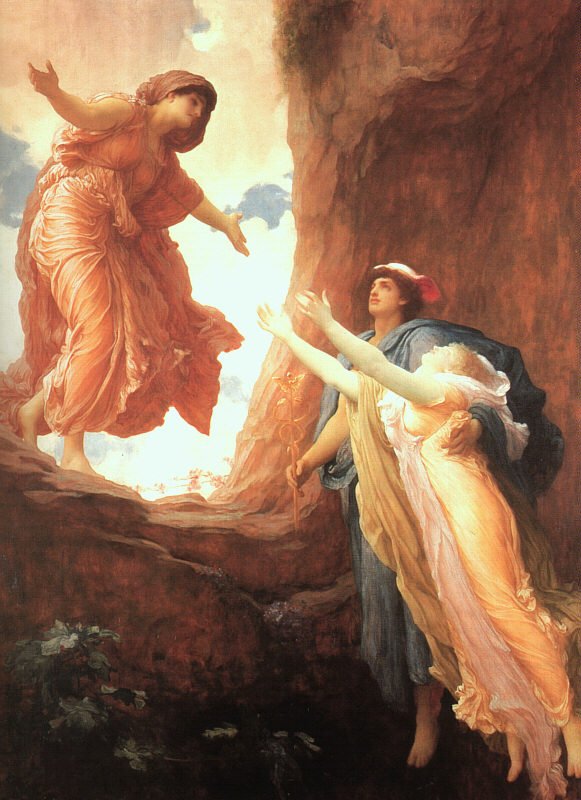
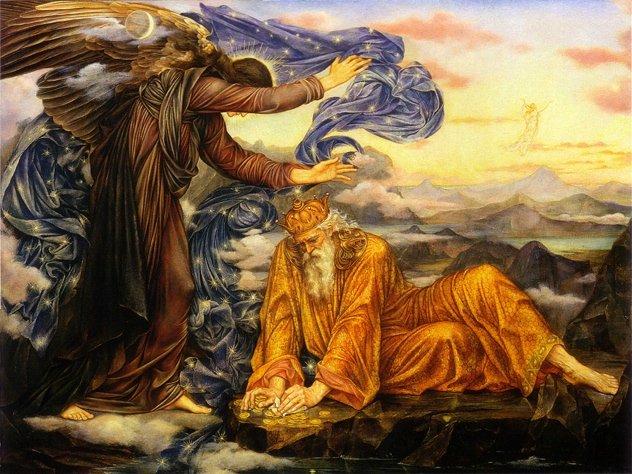
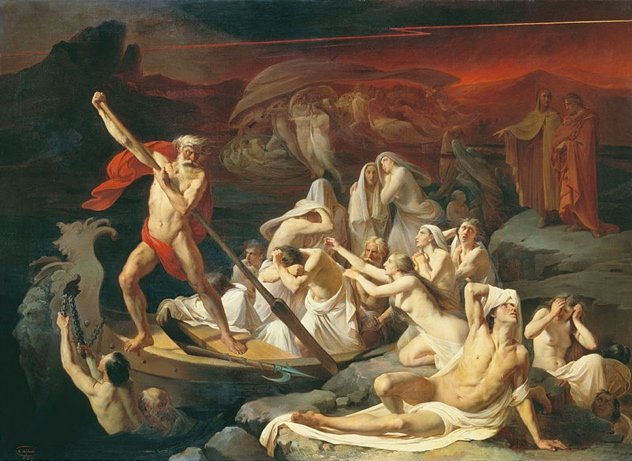
As we transition from one year to the next the archetype of the Psychopomp is on my mind. She's the one who ferries us from one world to the next. Based on the greek psychopompos, the term quite literally means " the guide of souls". We are referring to beings such as the Egyptian Anubis, the Greek Charon, the Norse Valkyries and the Greek God Hermes. These archetypal beings help souls transition and "cross over." In Jungian psychology, we think of the psychopomp archetype symbolically, as the one who mediates between the conscious and the unconscious and the one who helps us change. 

How do you feel about change? We may think we want to change but a closer look often reveals all the ways we resist life's dynamic and constantly shifting currents. Change requires loss. Loss means grief, disillusionment and facing fear. It requires us to grow up and realize a simple truth - life is hard, or as the Buddha said, life is suffering. Accepting this means we might learn to live lovingly with the sufferings and losses and to find meaning in the unfolding adventure of life. More than ever I believe life to be an adventure and not something to be endured or mastered. 

In the struggle to change, the psychopomp comes to the rescue. She supplies the necessary energy that change requires. It takes great faith, strength and spiritedness to break the status quo and say "death to the deadwood and green to the growth." She manifests in manifold, mysterious ways. Perhaps she will appear as a wise old woman in a dream or as a new teacher in our life. Sounds nice! Most often in my experience though, she cloaks herself in Shadow. She shows up as a trickster, a shapeshifter, an unruly desire or major challenge. The psychopomp must break the status quo and help us take the leap.

She appears in a situation that simply won't allow us to save our ass and our face at the same time. Meaning, we can't rely on or preserve our facade and make the necessary change. These situations are deeply humbling. They are experiences in which we have to let go such as a divorce, an illness, a layoff, a passionate love affair, an unplanned upheaval.

The psychopomp is the one that despite our terror and doubt, somehow finds the willingness to things differently. She acts out of the ordinary and "out of character." She does things that might elicit intense disapproval from self or other, real or imagined. Her behavior forces issues intro the light and moves transitions along. As she takes the reins parts of Self, perhaps dormant for years, once again come to life. Her movements are the antidote to structural limitations we have outgrown. She moves us towards new life and new balance as she swings our life pendulum. 

“The psychopompos is this second figure; you can call it the daimon, or the shadow, or a god, or an ancestor spirit; it does not matter what name you give it, it is simply a figure; it might even be an animal. For in such a predicament we are dépossèdés [dispossessed], we lose the power of our ego, we lose our self-confidence. Until that moment, we were willful or arbitrary, we had made our own choice, we had found out a way, we had proceeded as far as this particular place. Then suddenly we are in an impasse, we lose faith in ourselves, and it is just as if all of our energy became regressive. And then our psyche reacts by constellating that double, which has the effect of leading us out of the situation.”

- C.G. JungVisions: Notes of the Seminar Given in 1930–1934

Doing things differently moves us towards the new and can be extremely painful at times. It helps to know that there is method in the madness. Change can help us grow, expand and become more fully ourselves. Change has been an exciting theme of 2023. I have watched clients, friends and family made radical shifts. I have made changes this year that have been deeply rewarding and have required a flexibility and humility I didn't think myself capable of. 

I went on retreat with James Benzing in Spain this summer. Many of the participants happened to be midwives. Like a therapist, a midwife is a kind of psychopomp, one supports the literal birth of a baby and the other the birth of the Self. I learned about the "transition phase." This phase is the most intense and it heralds baby's imminent arrival. It is often during transition that the mother experiences the most resistance. She might scream something like "I'm done, No, I changed my mind. I'm not doing it!" An experienced midwife knows this is an essential part of the process and that it actually means the birth is progressing. We might also think of the psychopomp as "the one" who shows up at this critical moment. This "one" may appear as an unknown strength welling up from within, a deep sense of being guided and taken care of, or a bold move at a critical juncture. In a sense it is what we do or who we call on when shit gets truly real.

The wonderful thing about change, even with it's losses and pains is that it develops our capacity to keep birthing our Selves. Essentially life is change. Embracing this means softening and opening to all the emotions change elicits. Someone dear said recently, "to love someone is to attend 1,000 births of who they are becoming." I would add, it also means to attend many funerals.

The psychopomp will appear when we must symbolically die to the old in order to be born anew, again and again and again. 

I wish each of you a smooth transition to 2024, unless of course you are in need of a big shakeup or are experiencing an epic shift or transition. If that is the case, come and see me and I will do my best to be a good midwife. 

A few classic psychopomp images to follow...Valkyries, Hermes Azreal and Charon...

With love and best wishes for the new year, 

Hannah

Peter Nicolai Arbo (1831–1892), Valkyrie (1869)

Hermes, bringing Persephone back from Hades. Frederic Leighton's "The Return of Persephone," 1891

The Angel Azreal.  "Earthbound" by Evelyn De Morgan,1897

Alexander Dmitrievich Litovchenko (1835 - 1890) "Charon carries souls across the river Styx"

READ more